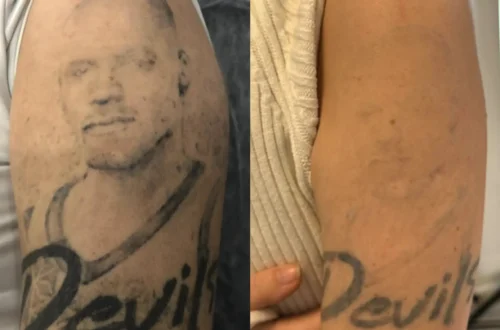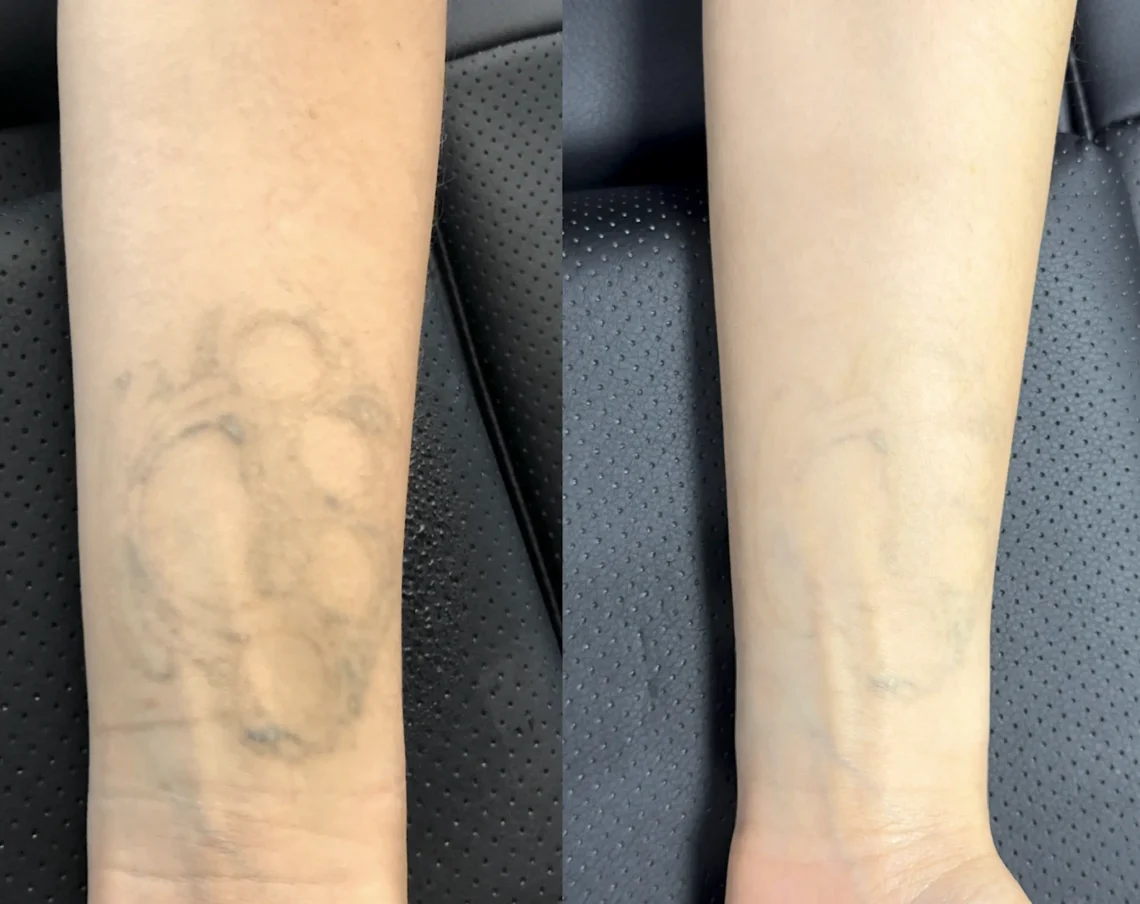
Have you ever regretted an eyebrow or eyeliner tattoo, maybe from a wild night out or a phase long past? Well, don’t worry, because you’re not alone! In the world of beauty enhancements, what starts as a boost can sometimes end up as an unwanted burden. But fear not—modern dermatology offers effective solutions like saline and laser tattoo removal methods. This guide delves deep into these two popular methods, helping you decide which one might be best for removing your unwanted tattoos.
Techniques for Removal
How to Remove a Tattoo
Whether it’s a fine lip line or a big brow arch, the process of fading unwanted ink differs greatly between saline and laser methods. Saline tattoo removal involves injecting a saline solution (typically some form of saltwater) into the skin where it works by osmotic pressure to draw out the ink particles. On the other hand, laser tattoo removal uses high-intensity laser beams to break down the ink particles into smaller fragments, which are then naturally eliminated by your body.
Key Components and Technologies
Each method has its own arsenal when battling against undesired tattoos. Saline solutions use a simple mixture of sterile water and high-grade salt that pulls pigment to the surface over many sessions. Meanwhile, laser removal employs various types of lasers, such as Q-switched or PicoSure, which target specific wavelengths of intense light on tattoo pigments, shattering them without harming the surrounding tissue.
Cosmetic Tattoos: An Overview
What Are Cosmetic Tattoos?
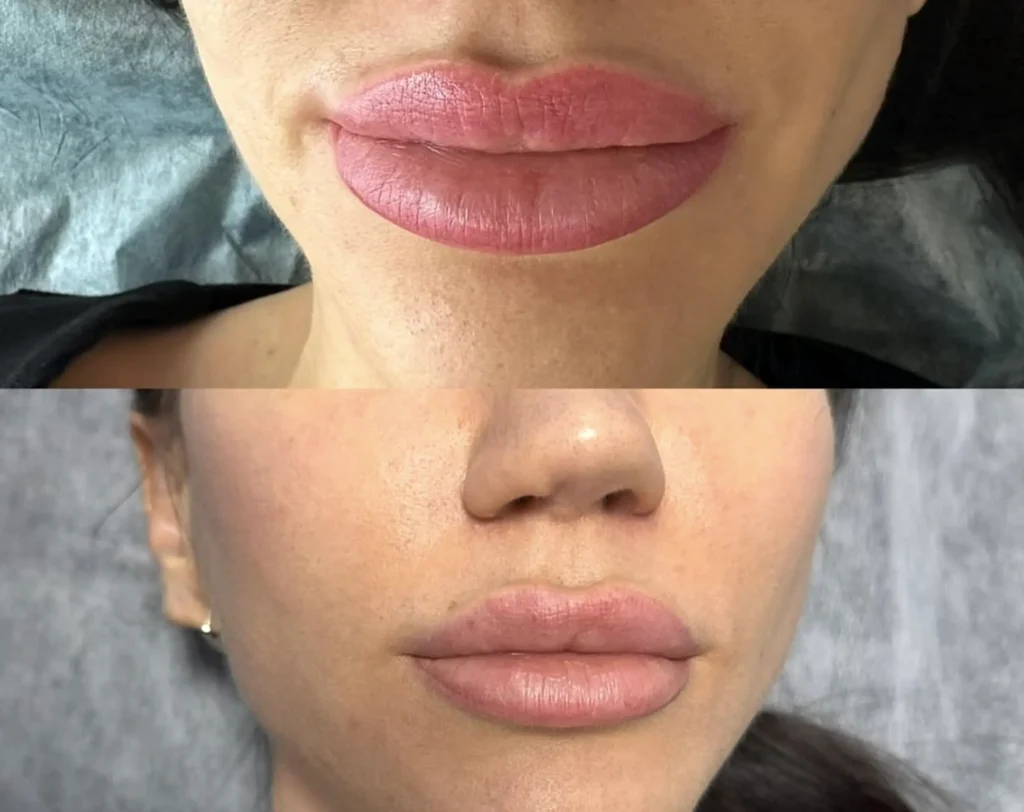
Cosmetic tattooing involves pigments implanted into the dermal layer of the skin to enhance features such as eyebrows (microblading mimics natural eyebrow hair), eyeliner, or lip liner.
Why People Remove Them
The reasons for getting rid of these tattoos vary as much as the people who have them! Changes in aesthetic preferences, allergic reactions, or dissatisfaction with results are common. Not to mention, as the skin ages, tattooed areas can shift or fade unevenly, prompting a reassessment.
Comparison of Saline and Laser Removal
Pain and Discomfort
No one enjoys the ‘ouch’ factor! Generally, saline tattoo removal sessions are reported to be less painful compared to the zaps of laser treatments, which can feel like a rubber band snapping against your skin. Saline treatments often result in mild discomfort, akin to a stinging sensation.
Risk of Scarring and Side Effects
Both methods come with their fair share of risks. Laser procedures can lead to side effects such as temporary pigmentation changes or even scarring if not managed properly. Saline solutions, while generally safer on the skin, still demand rigorous aftercare to prevent infection risks and ensure effective healing.
Effectiveness on Different Skin Types
Lasers can be temperamental with varying skin types and tattoo pigments. Darker skin tones, in particular, require careful handling to avoid adverse effects. However, saline solutions tend to work better across a wider range of skin colors without the pigment discrimination you might see with lasers.
Cost Comparison
In terms of cost, saline treatments are generally cheaper than their high-tech laser counterparts. The total cost can vary widely depending on the tattoo’s size, complexity, and color, as well as the number of sessions required for complete removal.
Specific Applications and Case Studies
Traditional Tattoo Edits and Eyebrow Tattoo Removal
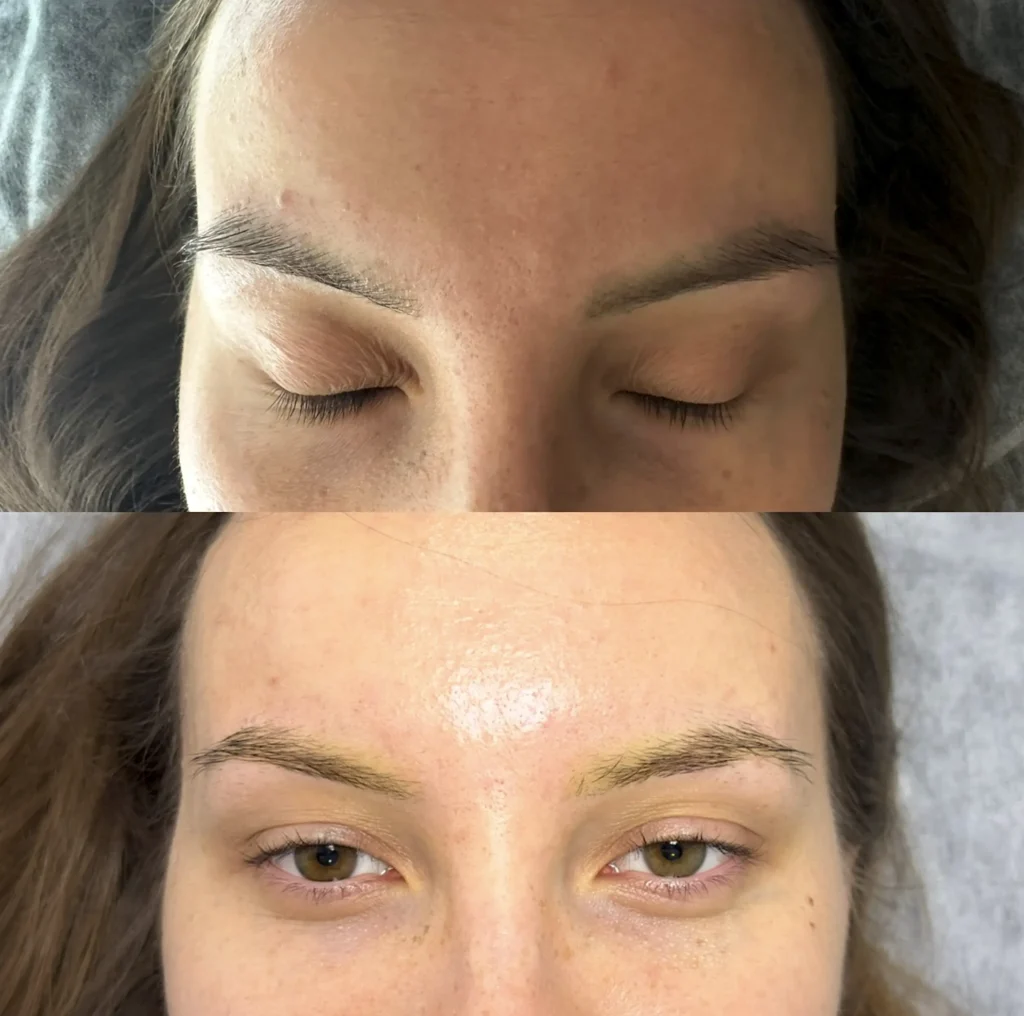
Looking to tweak rather than erase? Saline is particularly handy for partially fading tattoos to adjust shapes or prepare for a cover-up, especially with eyebrow tattoos where precision is crucial.
Real-life Examples and Testimonials
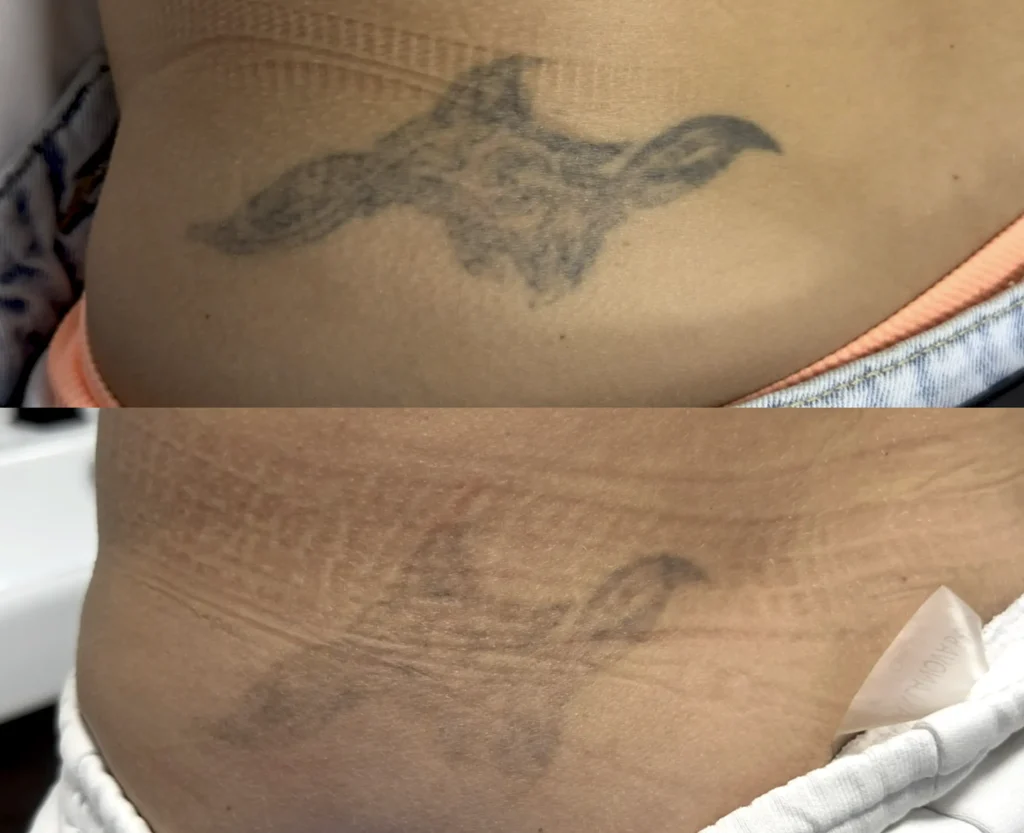
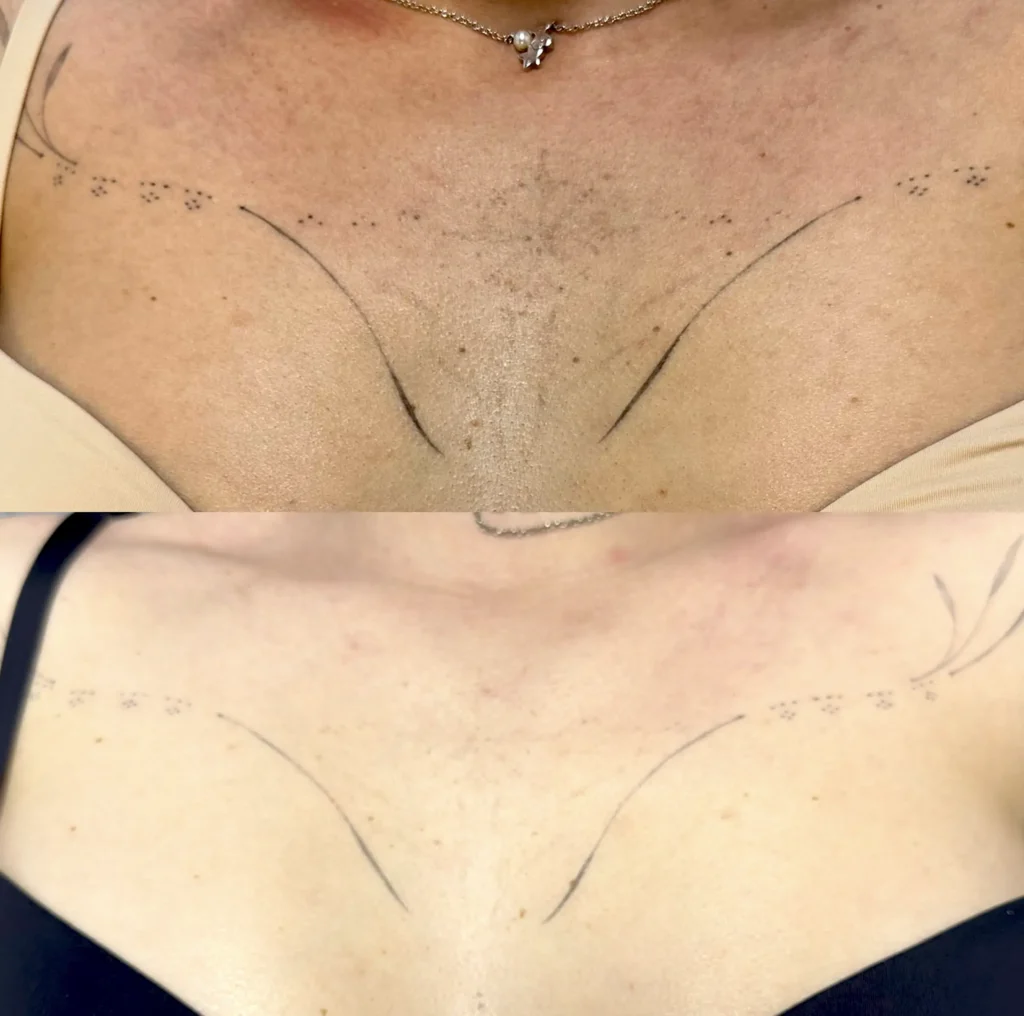
Here’s where we can learn from the pros and their clients. In clinics along theGold Coast, experienced tattoo removal specialists share success stories ranging from simple saline lightening procedures to complete laser eradication of dense pigmentations. Each story often highlights the gradual process involved in removing or lightening tattoos, emphasizing the journey rather than just the outcome.
| Aspect | Saline | Laser |
|---|---|---|
| Pain Level | Mild discomfort | Moderate to high discomfort |
| Risk of Scarring | Lower | Higher, dependent on skin type |
| Effectiveness on Skin Type | Effective across all skin types | Best on lighter skin with dark ink |
| Cost | Generally lower | Generally higher |
Saline tattoo removal is particularly effective for those with sensitive skin or those seeking a less invasive alternative to laser treatments. This method is gentle on the skin, often resulting in fewer side effects and a lower risk of scarring. Saline is especially beneficial for removing lighter tattoo inks and is effective on all skin types, including darker skin tones that might be at risk of hypo- or hyperpigmentation from laser treatments.
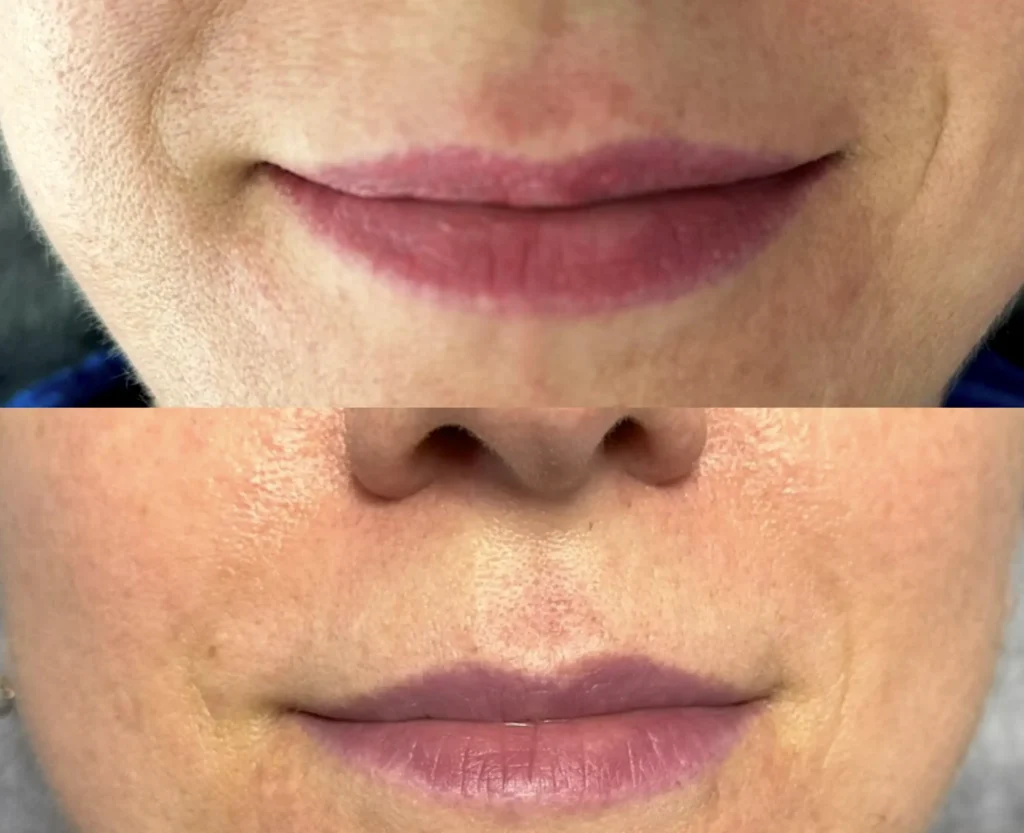
One of the key benefits of saline removal is its ability to target and remove color more uniformly, which can be particularly advantageous for cosmetic tattoos like lip lines and eyebrow tattoos. These areas require precision and an even hand to avoid disrupting the natural aesthetics of the facial features. Furthermore, saline treatments allow for more control over the removal process, enabling partial fading that can be adjusted over time to achieve the desired result.
FAQs About Saline Tattoo Removal
- Does it hurt? Saline tattoo removal typically involves some discomfort, akin to the feeling of getting the tattoo itself. However, most clients report that the pain is more manageable than that of laser removal and often feels like a strong pinch or stinging sensation.
- Is it safe? Yes, when performed by a trained professional, saline tattoo removal is safe. The risk of infection is minimal as the saline solution itself is antiseptic, and proper aftercare practices significantly reduce any potential complications.
- Can I perform saline tattoo removal at home? It is strongly advised not to attempt saline tattoo removal at home. Professional removal ensures sterile techniques and a healing regimen that minimizes risks and maximizes results.
- How many sessions are needed? The number of sessions required for saline tattoo removal varies depending on the tattoo’s age, the depth of ink, and the body’s response to the treatment. Typically, several sessions spaced several weeks apart are necessary to achieve significant fading.
- Is saline removal effective for all tattoo types? Saline is particularly effective for smaller, cosmetic tattoos with lighter colors. Larger, more colorful body tattoos might require a different approach or a combination of methods for effective removal.
Conclusion
Choosing between saline and laser tattoo removal is a decision that hinges on various factors, including the type of tattoo, skin type, pain tolerance, and budget. Saline offers a gentler, often more budget-friendly option for those with sensitive skin or lighter, smaller tattoos. It is particularly suited for cosmetic tattoos due to its precision and effectiveness in fading without complete removal. On the other hand, laser removal might be preferable for those seeking faster results for larger or deeply pigmented tattoos.
Both methods have their merits and can be highly effective when conducted under the guidance of experienced professionals. By considering personal needs and consulting with specialists, individuals can select the method that best suits their tattoo removal goals.
Whichever method you choose, ensure you follow all aftercare instructions to support the best possible healing and outcome. And remember, tattoo removal, like tattooing itself, is a journey—one that should be embarked upon with careful consideration and professional advice.